
Of crimson sumac, ancient constellations, and a little blood after dinner..
The sumac turns scarlet. The oaks go bronze. The sun retreats early, and the stars begin arriving before dinner. It’s November.
We've been gathering the season's last offerings around Brooklyn: fuzzy clusters of staghorn sumac, strange little citrus, fallen branches, and the occasional curiosity. Some have found their way onto our Thanksgiving table. Others are currently steeping in a bottle of Pennsylvania rye.
And one led us to a beautiful story.
The Bear that lives forever
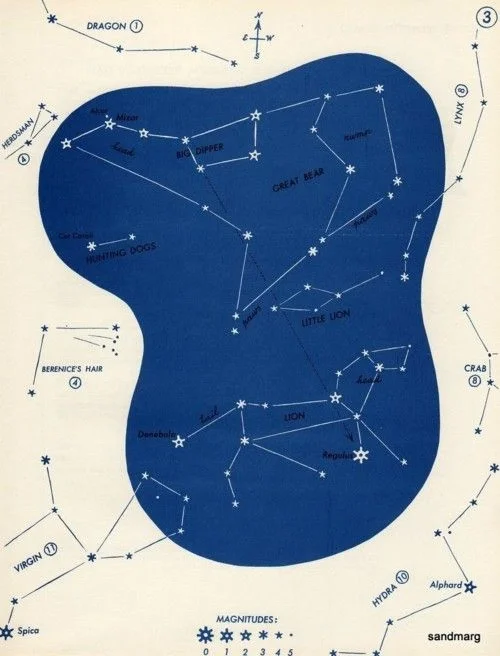
Look toward the northern sky and you'll find Ursa Major, the Great Bear, a constellation that has inspired stories across cultures and centuries.
In a traditional Haudenosaunee story associated with the Cayuga and Seneca nations, four hunter brothers and their small dog pursue a magical bear called Hnyágwai'gowa.
Their chase takes them into the heavens, where the bear is eventually struck by an arrow. As the hunters prepare their catch, its blood falls to earth, turning the sumac leaves crimson. Fat from their cooking fire colors the remaining trees gold and orange.
But the bear's bones reassemble. It rises again, and the celestial hunt resumes.
Across the Atlantic, the ancient Greeks recognized another bear among these stars. In their mythology, Callisto is transformed into a bear and eventually placed in the heavens.
Different traditions, each with its own meaning, sharing a remarkable image in the northern sky.
We came upon the Haudenosaunee telling while researching the sumac we'd gathered for a homemade amaro. Its red berries were already steeping in whiskey, alongside tart autumn fruit and woodland herbs.
The coincidence was too good to ignore.
We decided to name it Bear's Blood.
A Little Blood After Dinner
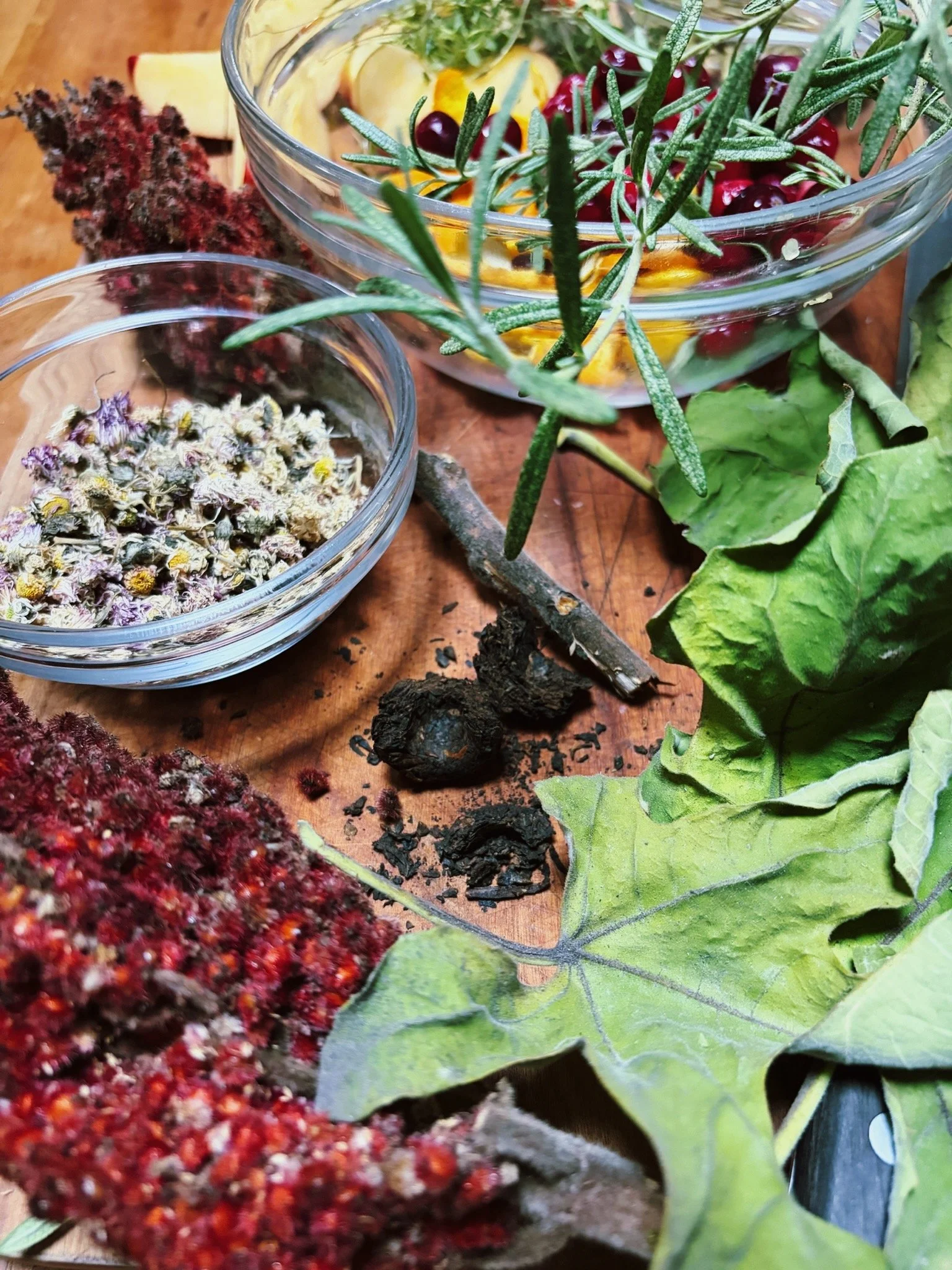
Our autumn amaro is a two-week experiment in bitterness, patience, and the things you can gather before winter arrives.
Pennsylvania rye provides the backbone. Staghorn sumac and cranberries bring tartness, dandelion root contributes earthy bitterness, and roasted pumpkin seeds, thyme, rosemary, chamomile, and pu-erh add a rather curious assortment of supporting characters.
A little maple syrup and honey finish the job.
The ambition is something dry, herbal, and just unruly enough to deserve its name.
We've shared the ingredient list, maceration schedule, and finishing method in our latest Harvest Feasts Dispatch.
JOIN THE ELSEWHERE DISPATCH FOR OUR BEAR'S BLOOD RECIPE & MORE
The Spaces Between the Stars
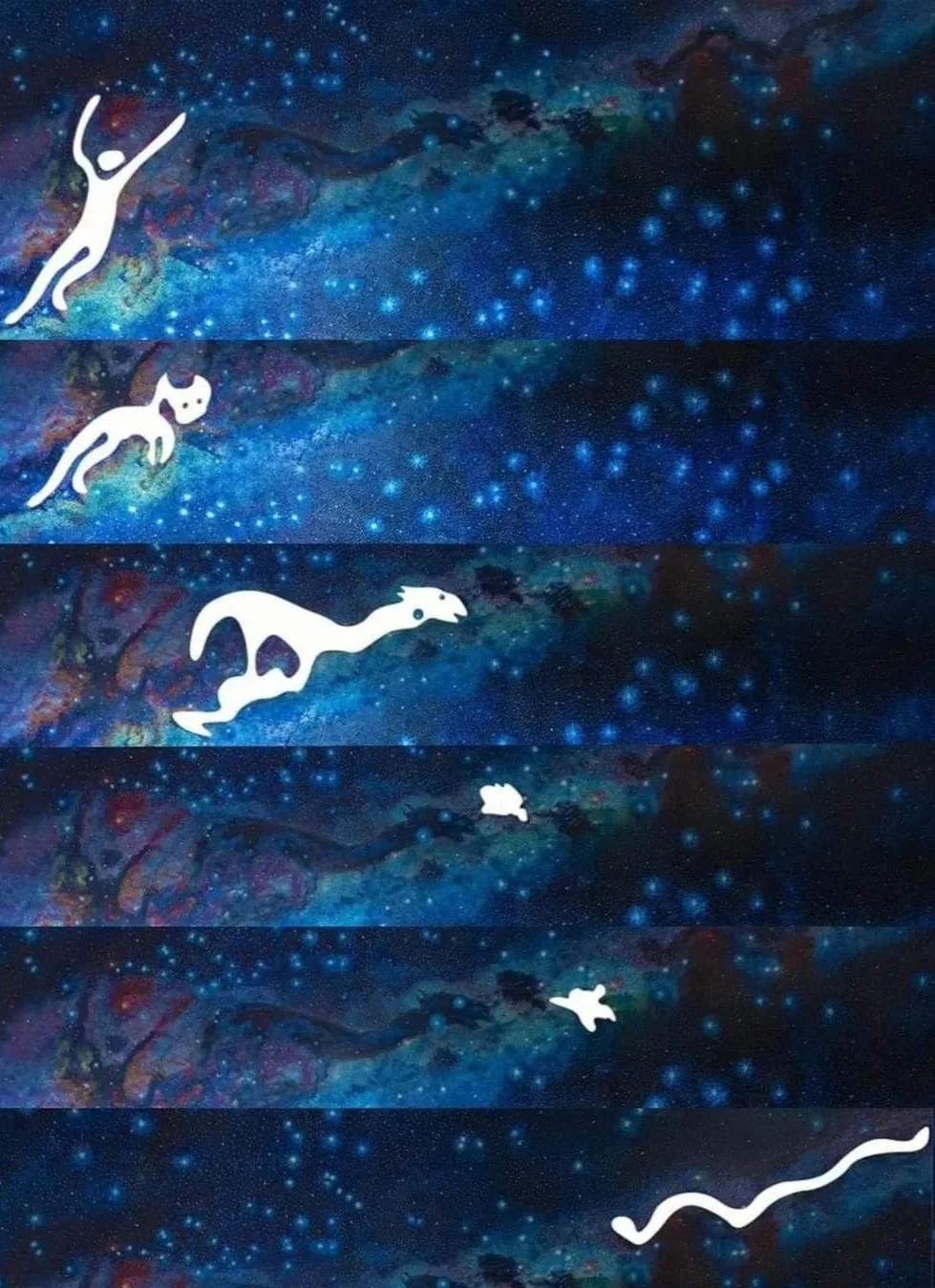
High in the Peruvian Andes, the Inca saw something extraordinary in the night sky.
While the Greeks traced bears and hunters by connecting stars, the Inca also recognized figures in the dark spaces of the Milky Way. These celestial shadows formed animals: a llama and her baby, a serpent, a fox, and a toad, moving through the heavens.
In the Sacred Valley, far from the city lights, the Milky Way stretches across the mountains. A reminder that sometimes the most extraordinary things are found not in the stars themselves, but in the spaces between.
There's one last room waiting for you beneath the Andean sky.
Join us February 21–27, 2027, for seven days of mountain adventures, extraordinary food, movement, and a little magic in Peru's Sacred Valley.
Our final Deluxe King Suite is available, with 10% early-bird pricing through December 1.
Letters from Elsewhere
The Harvest Feasts Dispatch is part of our ongoing correspondence about the things that make life worth traveling for: food, culture, movement, unusual places, interesting people, and the occasional encounter with something magical.
This edition includes our autumn amaro recipe, a spectacular baklava cake, and our notes on creating a Thanksgiving table with a little wilderness about it.
There are also invitations to come Elsewhere, including news of our next retreats, and exclusive discounts.
Come for the recipes. Stay for the stories.
SUBSCRIBE TO THE ELSEWHERE DISPATCH
The Great Bear story referenced here is a traditional Haudenosaunee (Cayuga/Seneca) telling shared by Six Nations Polytechnic, Six Nations of the Grand River.